
Renovating an old house can be a thrilling yet busy task. The transformation of a historic property into a comfortable living space brings both excitement and challenges. Whether you’re aiming to restore its original charm or to modernize it for contemporary living, understanding the essential steps involved is crucial.
Here are four things you could do when renovating an old house.
1. Assessing the Current Condition of the House
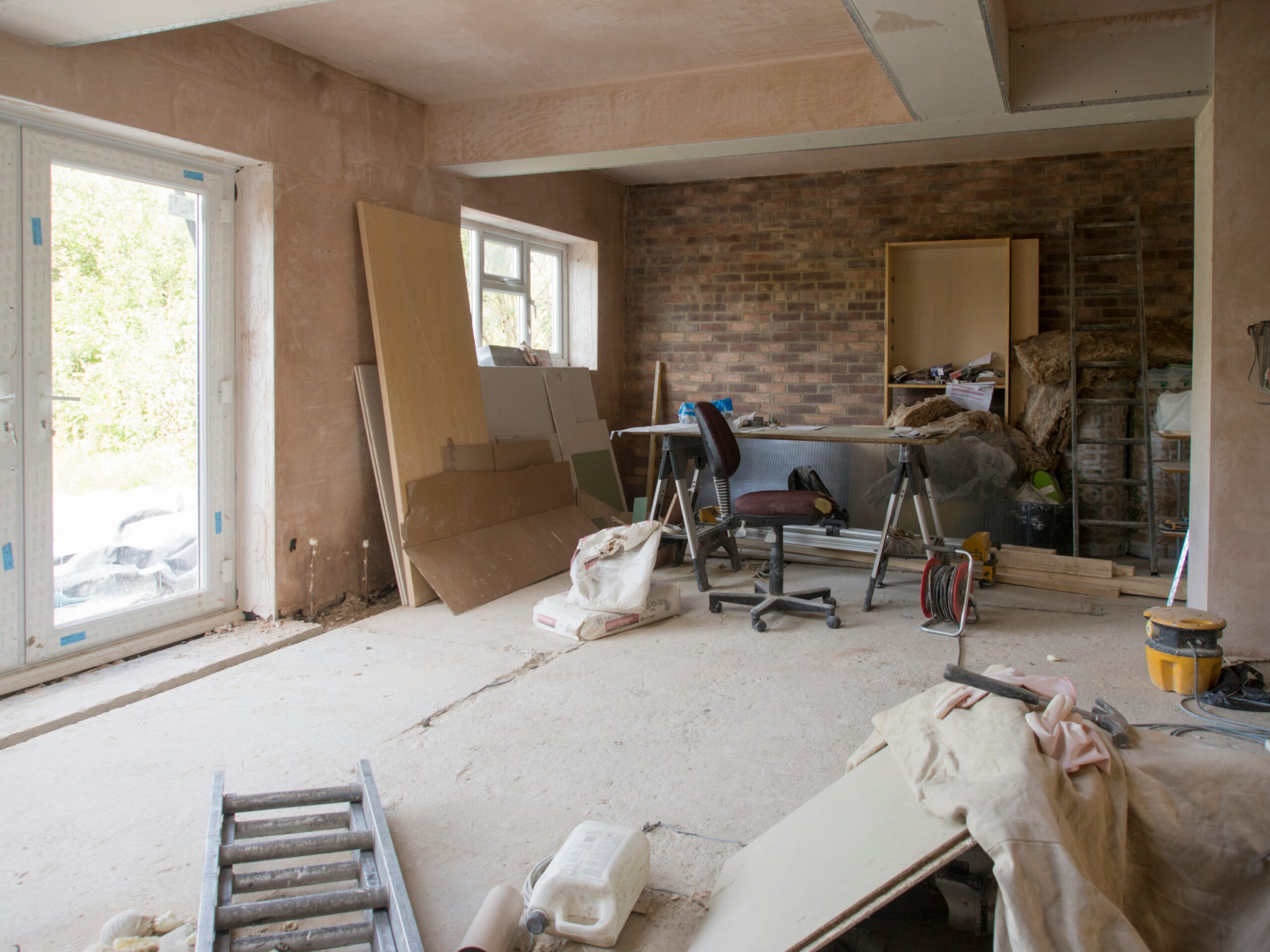
Before diving into the renovation, it is essential to assess the current condition of the house thoroughly. This step involves a detailed inspection to identify any underlying problems such as structural weaknesses, water damage, or electrical issues. A thorough evaluation reveals hidden problems that might affect the renovation process. The assessment provides valuable insights into the scope of work required and helps in creating a realistic timeline for the project. This assessment is crucial as it lays the foundation for your renovation plan. Once you have a clear understanding of the house’s condition, the areas that require urgent repairs become apparent. Structural integrity becomes a primary concern, as it ensures the safety and stability of the building. The foundation, walls, and support systems need careful evaluation and attention. Water damage, deteriorating materials, and compromised structural elements require immediate attention. Addressing these issues early in the renovation process prevents further deterioration and more extensive repairs in the future. In addition to structural assessments, the house needs evaluation for potential environmental concerns. Older homes often harbor hidden issues that could affect the living environment. Materials and construction methods used in previous decades might not meet current safety standards. The presence of outdated materials and systems requires careful consideration during the renovation planning. Understanding these aspects helps in creating a comprehensive renovation strategy that addresses both aesthetic and safety concerns.
2. Planning Your Renovation Budget
After assessing the condition of the house, the next crucial step is planning your renovation budget. A well-thought-out budget will guide your renovation journey, helping you allocate funds efficiently and avoid overspending. The financial planning phase involves careful consideration of various aspects of the renovation project. You could start by listing all the necessary repairs and upgrades identified during the inspection and estimate their costs. The budget should account for both essential repairs and desired improvements. Understanding the financial scope of the project helps in making realistic decisions about the renovation process. The allocation of resources requires careful consideration of priorities and available funds. When creating your budget, thoughtful prioritization of tasks emerges as a fundamental aspect of the planning process. Financial resources need allocation based on both the immediacy of repairs and their significance to the overall project. The focus initially falls on addressing crucial structural repairs, which form the backbone of your renovation. These essential improvements include reinforcing compromised structural elements and updating electrical systems that no longer align with current standards. After securing these fundamental aspects, attention shifts to aesthetic enhancements such as wall treatments and flooring installations.
3. Upgrading Essential Systems
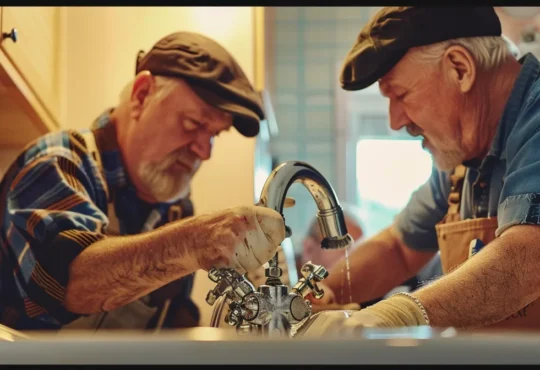
The transformation of an old house into a modern living space hinges significantly on the enhancement of its core systems. The fundamental components that require attention include the plumbing network, electrical infrastructure, and climate control systems. Older systems often struggle to meet contemporary needs and can result in increased operational costs. The enhancement of these components represents a significant investment in your home’s future, contributing to both its functionality and comfort levels. The roof stands as another critical element demanding careful attention during the renovation process. The integrity of this protective barrier plays a vital role in safeguarding the entire structure. A compromised roofing system can lead to extensive interior damage and affect the building’s structural stability. Working with experienced individuals in roofing and getting Austin roofing replacement services, for example, can ensure the installation of appropriate materials and proper techniques.
4. Enhancing Curb Appeal and Landscaping
The exterior transformation of an old house holds the power to create lasting impressions and enhance overall property value. The facade serves as the initial point of interaction, making its appearance particularly significant in the renovation process. A fresh application of paint in carefully selected shades brings new life to the exterior while respecting the architectural heritage of the structure. The replacement of dated windows and doors with contemporary, efficient alternatives enhances both the visual appeal and performance of the building envelope. The outdoor environment plays an equally important role in the complete transformation of an old house. A well-designed landscape creates an inviting atmosphere that complements the renovated structure. The focus on curb appeal and landscaping transcends mere aesthetic improvements, creating an environment that resonates with personal style.
Conclusion
The transformation of an old house represents a journey filled with thoughtful decisions and careful execution. The process encompasses various aspects, from initial assessment and budget planning to system upgrades and exterior enhancements. Each step in the renovation journey provides opportunities to preserve the unique character of the structure while incorporating contemporary features that enhance livability and efficiency.