Terracotta Tile vs Porcelain Tile: Which Is More Cost-Effective for Renovations?

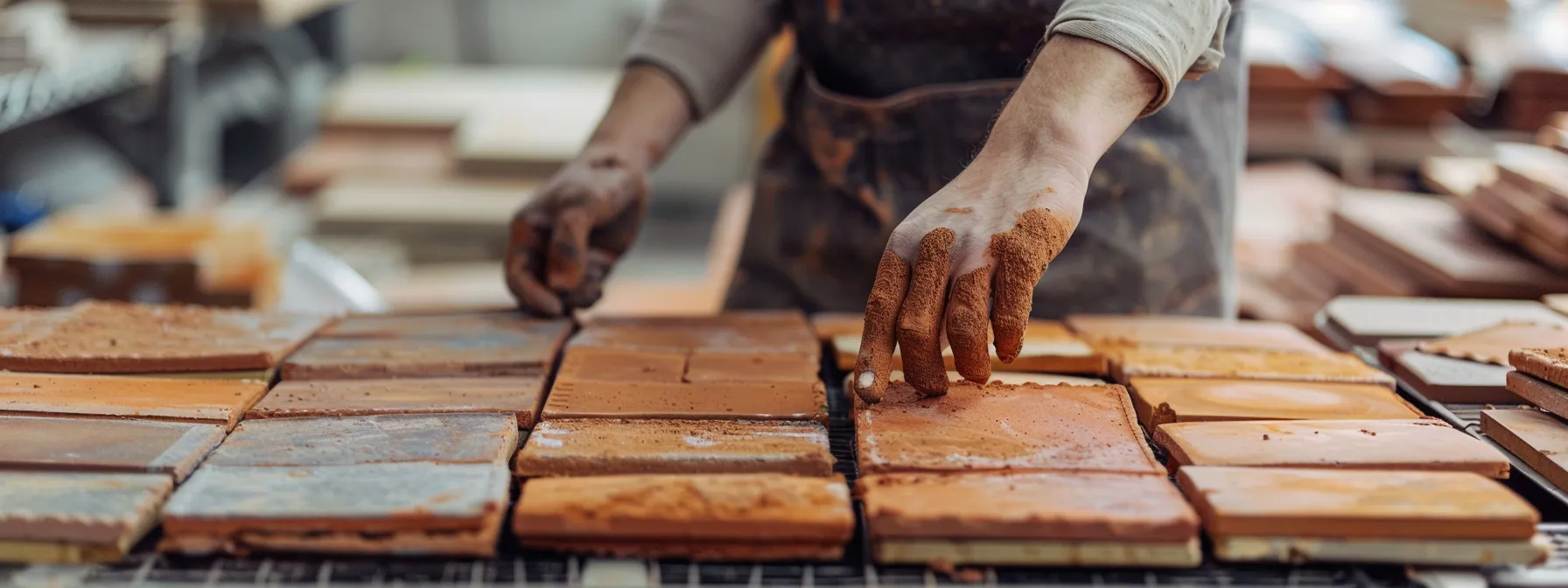
Renovating a home often involves making critical decisions about which materials to use, especially when it comes to flooring. The choice between Terracotta Tile and porcelain tile is a common dilemma for homeowners aiming for a balance between cost-effectiveness and style. Both options offer unique advantages and potential drawbacks, making it essential to evaluate them from multiple perspectives. This article will explore the cost-effectiveness of terracotta and porcelain tiles, focusing on their material composition, installation costs, durability, and aesthetic impact.
Terracotta Tile vs Porcelain Tile: A Cost-Effectiveness Analysis
The initial cost of materials is a significant factor in determining the cost-effectiveness of any renovation project. Terracotta Tiles are often celebrated for their rustic charm and natural appearance. While their production involves less energy compared to porcelain tiles, which require higher temperatures and more processing, terracotta can still be a cost-effective option for certain designs. According to a recent Architectural Digest article, the natural composition of terracotta makes it a sustainable choice for environmentally conscious homeowners.
On the other hand, porcelain tiles, created from refined clay and fired at higher temperatures, offer superior density and moisture resistance. As a result, they are generally more durable, which can translate into long-term savings despite a potentially higher upfront cost. When selecting materials, consider if the initial investment in porcelain will pay off over time due to its durability and lower maintenance costs.
For a comprehensive selection of terracotta options, explore the Terracotta Tile collection, which showcases the versatility and timeless appeal of this material.
Material Composition and Durability Compparison
Understanding the material composition is crucial for evaluating tile durability. Terracotta Tiles, known for their porous nature, require sealing to prevent moisture absorption and staining. This maintenance step is essential to prolong their lifespan. However, the charm of terracotta lies in its ability to develop a unique patina over time, adding character to any space.
Porcelain tiles, by contrast, are non-porous and highly resistant to water, making them ideal for areas prone to moisture, such as bathrooms and kitchens. This resistance not only enhances their durability but also aligns with modern schematic design principles that prioritize functionality and ease of maintenance. According to the Houzz community, porcelain’s robustness makes it a preferred choice for high-traffic areas.
When considering durability, factor in the potential cost savings on repairs and replacements that porcelain tiles offer compared to their terracotta counterparts.
Installation Costs and Maintenance Considerations
Installation costs can vary significantly between terracotta and porcelain tiles. Terracotta, with its softer composition, may require careful handling and expert installation to ensure longevity and aesthetic consistency, contributing to higher labor costs. Additionally, the need for regular sealing adds to the maintenance expenses over time.
In contrast, porcelain tiles, despite their hardness, are relatively easier to install, often resulting in lower labor costs. Their low-maintenance nature—requiring only basic cleaning—further enhances their cost-effectiveness. As-built drawings, which provide detailed information about existing conditions, can assist in the accurate installation of porcelain tiles, ensuring a precise fit and finish.
For homeowners prioritizing long-term savings, the reduced maintenance requirements of porcelain tiles can make them a more appealing choice despite a higher initial outlay.
Aesthetic Appeal and Resale Value Impact
Beyond cost and durability, the aesthetic appeal of tile choices plays a pivotal role in renovations. Terracotta Tiles are often favored for their warm, earthy tones, which can complement a variety of mood boards and color palettes. They bring a sense of rustic elegance that can enhance a home’s visual appeal.
Porcelain tiles, available in a wide range of finishes and styles, offer versatility that can cater to both traditional and contemporary designs. Their ability to mimic materials like natural stone and wood without the associated maintenance challenges makes them a popular choice in design development. For more information on aesthetic choices, visit design development.
When considering resale value, it’s important to evaluate how each tile type aligns with current market trends. While terracotta can attract buyers drawn to classic homes, porcelain’s versatility and perceived durability can appeal to a broader audience, potentially increasing a property’s market value.
Conclusion
Choosing between terracotta and porcelain tiles involves assessing various factors, including cost, durability, maintenance, and aesthetic preferences. While terracotta offers a unique charm and lower initial costs, porcelain provides long-term durability and ease of maintenance. For homeowners looking to maximize both immediate and future returns on their renovation investment, porcelain may present a more cost-effective option. Ultimately, the best choice will depend on individual priorities and the specific requirements of each renovation project.