

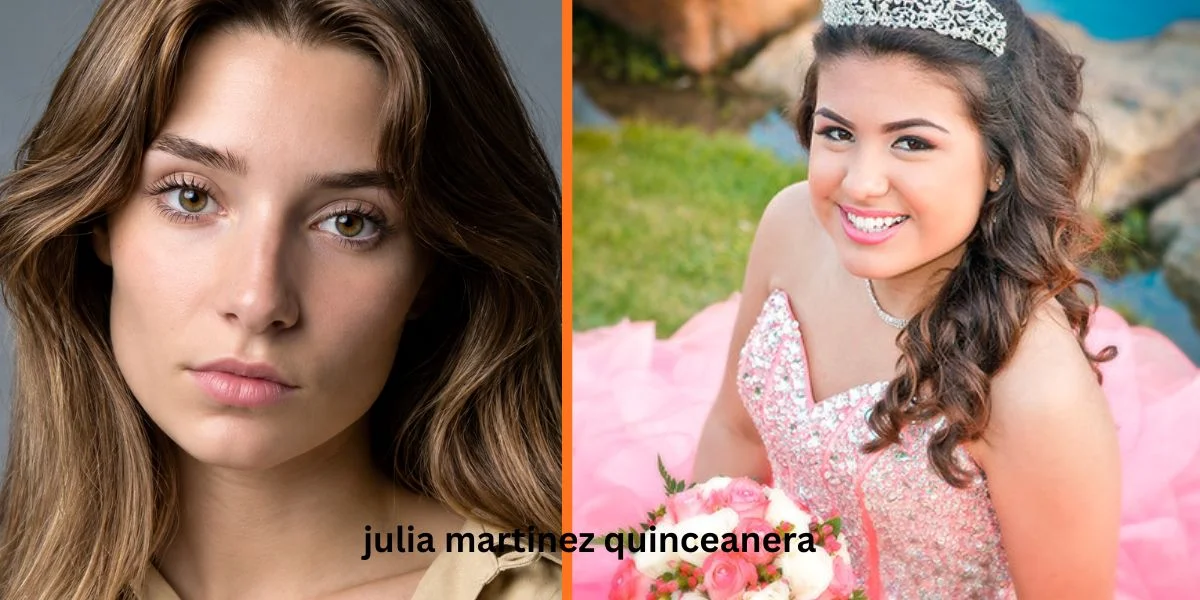
A quinceañera isn’t just a birthday party — it’s a rite of passage. When people search for something like Julia Martinez’s quinceañera, they’re usually looking for more than one girl’s specific celebration; they want to understand what makes this tradition so special, and maybe pick up a few ideas for planning one of their own. So let’s use Julia’s story as a lens into what a modern quinceañera actually looks like, from the traditions behind it to the details that make each celebration unique.
What a Quinceañera Really Represents
At its core, a quinceañera marks a young woman’s 15th birthday and her symbolic transition from childhood into womanhood. The tradition traces back through Latin American culture, blending Indigenous customs with Spanish Catholic influence. For a girl like Julia, the day isn’t only about the party — it’s about family, faith, and the community coming together to mark a milestone.
The Ceremony Before the Celebration
Many quinceañeras begin with a Catholic Mass, where the quinceañera gives thanks and renews her faith commitments, often accompanied by her parents and godparents. This part of the day tends to be quieter and more reflective compared to the celebration that follows, setting the emotional tone for everything else.
The Court of Honor
A defining feature of most quinceañeras is the court of honor — a group of close friends and family, usually made up of damas (maids of honor) and chambelanes (escorts), who accompany the quinceañera throughout the event. For someone like Julia, this court often becomes part of a choreographed dance routine that’s rehearsed for weeks leading up to the big day.
Symbolic Traditions
A handful of small rituals carry big meaning:
- The last doll (última muñeca): Symbolizes the final toy of childhood, often gifted to a younger sibling or family member.
- The change of shoes: The quinceañera’s flat shoes are swapped for heels by her father, symbolizing her step into womanhood.
- The tiara: Represents her status as “princess” for the day, and often for the celebration overall.
These moments are usually the most emotional part of the event for families, more so than the dancing or the cake.
The Dress and Styling
The quinceañera dress is often the centerpiece of the whole celebration — typically a ball gown in a color chosen to reflect the girl’s personality, ranging from classic pastels to bold jewel tones. Hair and makeup are usually done professionally, and many families treat this as a milestone moment worth documenting with a dedicated photo session before the party even begins.
The Celebration Itself
After the ceremony comes the reception — music, a formal dinner, and the choreographed dances that the court has been practicing. The father-daughter dance is typically one of the most anticipated and emotional moments of the night, followed by an open dance floor where family and friends celebrate late into the evening.
Why These Celebrations Still Matter
In many families, a quinceañera like Julia’s isn’t just about spectacle — it’s a way to keep cultural identity alive, especially for families navigating life between two cultures. It’s a moment where grandparents, parents, and younger siblings all take part in passing something forward, making it far more meaningful than a typical birthday celebration.
Final Thoughts
Whether it’s Julia Martinez’s quinceañera or any other, the celebration follows a familiar emotional arc: faith, family, tradition, and a joyful send-off into the next chapter of life. It’s a day built on symbolism as much as celebration — which is exactly why quinceañeras continue to hold such a special place in Latin American culture today.