
The Ann Lowe designer biography is one of fashion history’s most overlooked stories. In 1953, one of the most photographed wedding dresses of the 20th century made headlines around the world — Jacqueline Bouvier’s ivory silk taffeta gown for her wedding to Senator John F. Kennedy. For decades, almost no one knew the designer’s name. She was Ann Lowe, a Black woman who dressed some of America’s wealthiest families, yet remained nearly invisible in the fashion world she helped define.
A Talent Rooted in Family Tradition
Ann Lowe was born around 1898 in Clayton, Alabama, into a family of dressmakers. Her grandmother had been enslaved and worked as a seamstress; her mother ran a successful dressmaking business serving Alabama’s elite families. When her mother died suddenly in 1914, a teenage Lowe took over unfinished commissions herself, completing them with striking skill.
She later moved to New York and studied at a prestigious design school — but even there, she faced blatant discrimination, reportedly forced to work in a segregated classroom separate from white students, despite her clear talent.
Dressing High Society, Without Recognition
Lowe went on to design gowns for some of America’s most prominent families, including the Rockefellers, du Ponts, and Auchinclosses — Jacqueline Bouvier’s own family. Her intricate handwork, floral appliqués, and tailoring were highly sought after among New York and Philadelphia’s social elite.
Yet Lowe rarely received public credit. Society pages often described her creations simply as being from “a colored designer,” omitting her name entirely, even as her clients wore her work to the most photographed events of their lives.
The Kennedy Wedding Dress Disaster — and Triumph
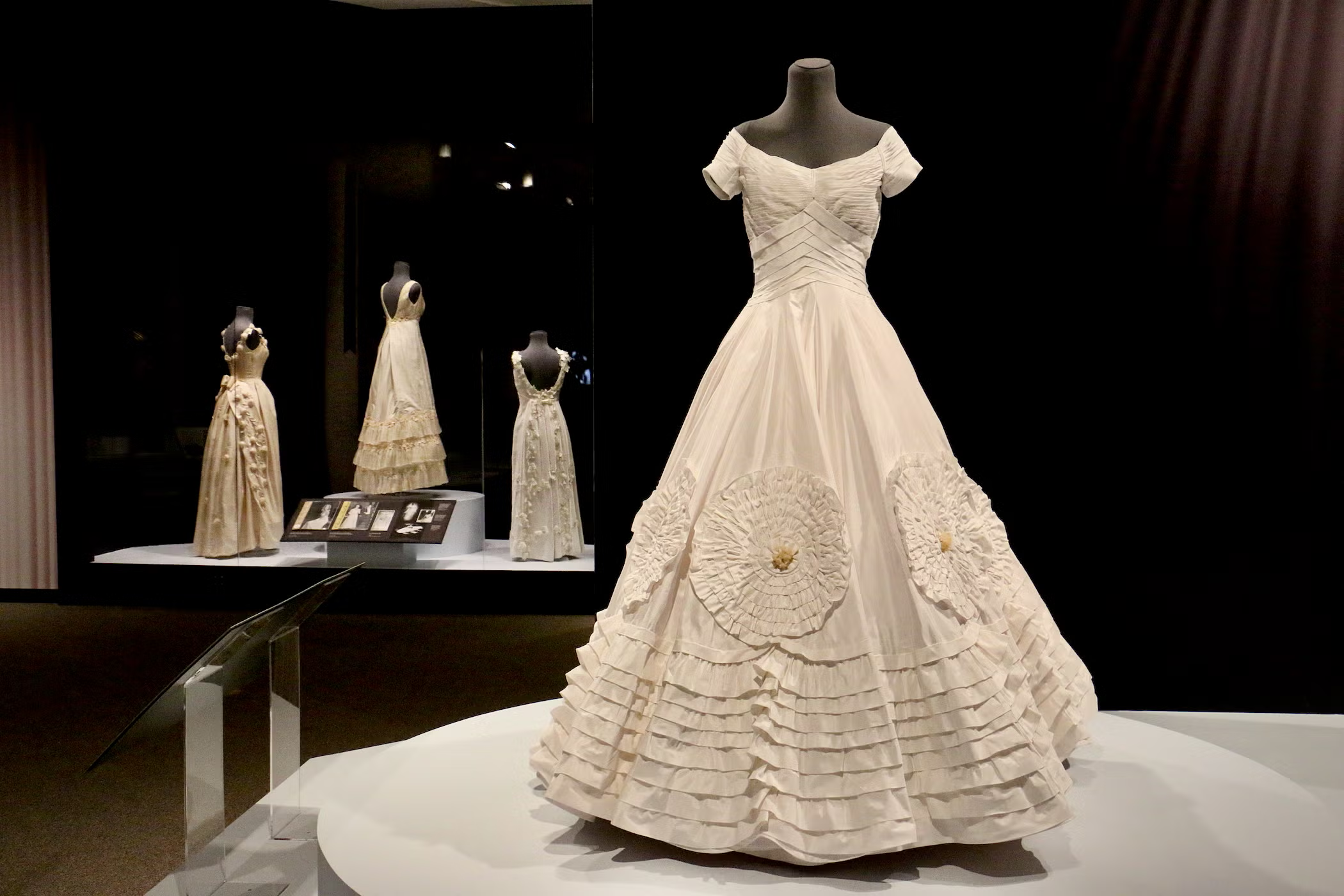
Just ten days before Jacqueline Bouvier’s wedding, disaster struck: a water pipe burst in Lowe’s workroom, destroying the wedding dress along with several bridesmaid dresses. With no time to spare, Lowe and her team worked around the clock, remaking the entire dress from scratch in just over a week.
When the dress debuted at the wedding, it became instantly iconic — a full-skirted, portrait-neckline gown that came to define 1950s bridal fashion. But when asked who designed it, the Kennedy family reportedly described the maker only as “a colored dressmaker,” leaving Lowe’s name out of nearly all press coverage.
A Career of Being Overlooked
Despite dressing some of the most influential women in America for decades, Lowe struggled financially throughout her career. She was often underpaid relative to the value of her work, and as a Black woman in a segregated industry, she was denied the recognition, press coverage, and business opportunities that white designers with far less talent regularly received.
Recognition, Decades Later
It wasn’t until years after her death in 1981 that Ann Lowe began receiving overdue recognition. Fashion historians, museums, and journalists have since worked to restore her name to design history, and institutions including the Smithsonian have featured her work and story in exhibitions.
Why Her Story Still Matters
The Ann Lowe designer biography is increasingly taught today as a case study in how talent and recognition don’t always go hand in hand — particularly for Black women working in industries that historically erased their contributions. Her wedding dress remains one of the most recognizable garments in American history, worn by a First Lady, designed by a woman the world barely knew.