

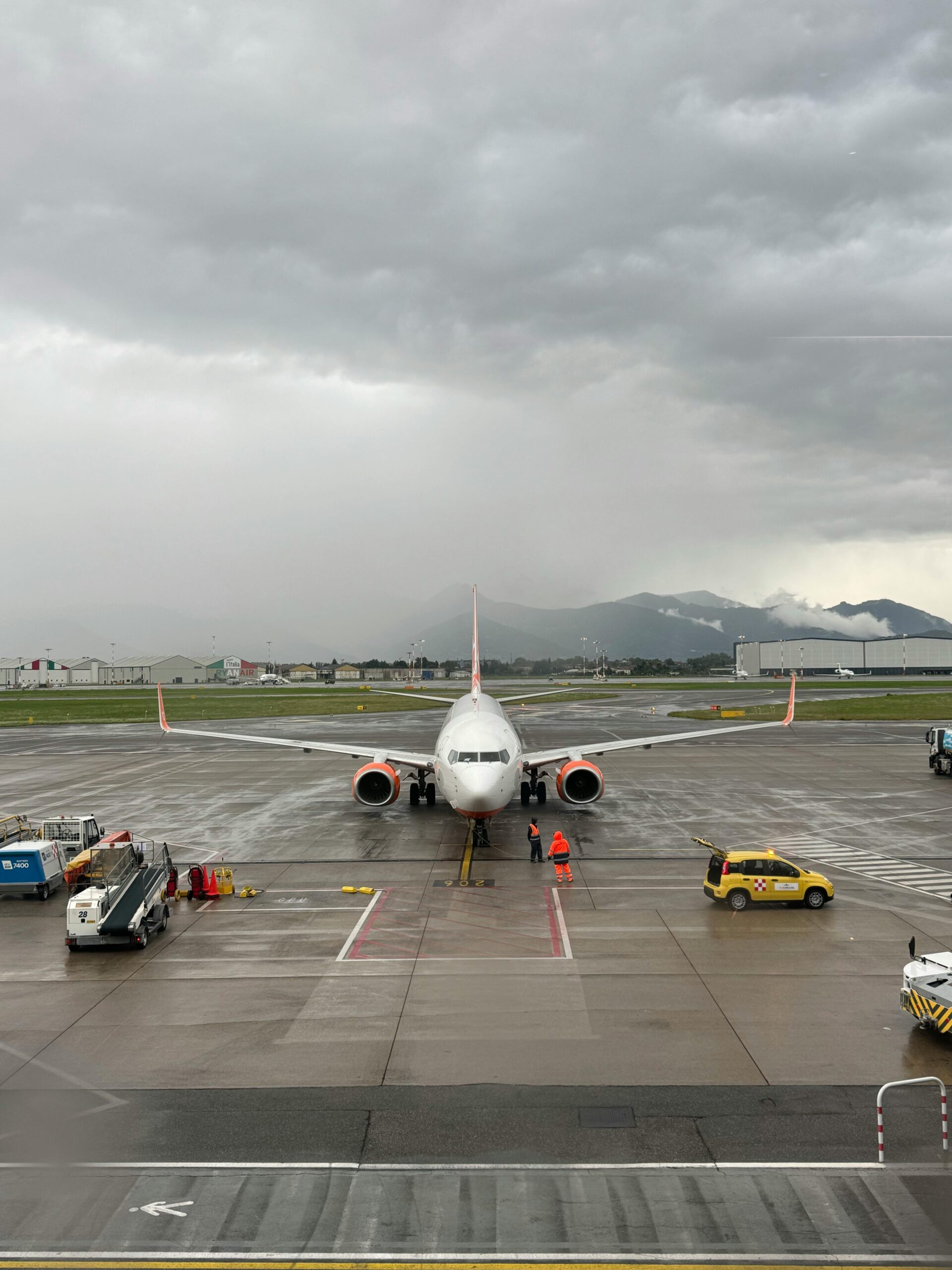
Keeping aircraft safe and operational on the ground requires the right equipment to make all the difference. Ground support equipment (GSE) is integral to aviation maintenance and servicing operations. The aviation industry relies on these essential tools and machines, from small private planes to massive commercial airliners, to ensure smooth operations.
Five key pieces of ground support equipment play crucial roles in maintaining the efficiency and safety of aviation operations, with each piece bringing unique capabilities to the maintenance process.
1. Hydraulic Power Units
Modern aircraft hydraulic systems may incorporate complex mechanisms that demand reliable testing and maintenance equipment. Aircraft hydraulic power units deliver the precise pressure and flow rates needed for thorough system evaluation. These sophisticated units offer extensive capabilities, with pressure ranges that accommodate the diverse demands of various aircraft systems. Their adaptability across different aircraft types and maintenance scenarios makes them particularly valuable in aviation maintenance operations.
2. Ground Power Units (GPUs)
Aircraft systems require consistent power during maintenance procedures without depleting valuable fuel resources. Ground power units address this need through their versatile power delivery capabilities. These essential power sources come in various forms, from portable diesel generators to permanent electrical installations. Their ability to provide both DC and AC power options ensures compatibility with any aircraft that arrives on the tarmac, making them indispensable in aviation operations. The evolution of GPU technology has brought significant advancements in both efficiency and environmental responsibility. Modern units incorporate hybrid systems that optimize power delivery while reducing environmental impact. These sophisticated power sources go beyond basic power supply, incorporating advanced monitoring systems that shield aircraft components from potentially damaging power fluctuations. The capabilities of contemporary GPUs extend from supporting complex avionics testing to powering cabin systems, demonstrating remarkable versatility and reliability in their applications.
3. Aircraft Tugs and Tractors
The safe movement of aircraft around airport facilities requires substantial power and precision, which aircraft tugs and tractors provide. These essential machines encompass a range of options, from agile electric tugs designed for light aircraft to robust diesel tractors capable of maneuvering the largest commercial jets. Contemporary models incorporate advanced technology that enhances the safety and efficiency of aircraft movement operations. The ongoing development of these machines has introduced smart systems that bring new levels of control to aircraft movement. Advanced sensors and sophisticated control systems work together to provide unprecedented precision in aircraft handling.
4. Aircraft Maintenance Stands and Platforms
The aviation industry’s commitment to safety and efficiency extends to the equipment used for accessing various parts of the aircraft. Aircraft maintenance stands and platforms provide stable, secure access points for maintenance personnel working at different heights and angles around the aircraft. These essential pieces of equipment incorporate adjustable features that accommodate various aircraft sizes and maintenance requirements. Modern maintenance stands feature ergonomic designs that prioritize both worker safety and comfort. The platforms include non-slip surfaces, sturdy guardrails, and adjustable height mechanisms that allow maintenance crews to position themselves optimally for different tasks. The mobility of these stands enables quick repositioning around the aircraft, while their robust construction ensures stability during maintenance procedures. Advanced materials and engineering principles contribute to platforms that combine lightweight construction with exceptional durability. The integration of safety features in contemporary maintenance stands reflects the aviation industry’s focus on workplace safety. Fall protection systems, secure locking mechanisms, and clear safety markings contribute to a safer working environment for maintenance personnel. The adaptability of these platforms to different aircraft types and maintenance scenarios makes them valuable assets in any aviation maintenance operation. Safety and efficiency intertwine seamlessly in the realm of aircraft maintenance access equipment. Modern maintenance stands have transformed into comprehensive workstations that go far beyond providing simple height access.
5. Aircraft Lavatory and Water Service Units
The maintenance of aircraft sanitation systems demands specialized equipment that combines efficiency with unwavering reliability. Contemporary service units have revolutionized ground handling processes by integrating both fresh water supply and waste removal capabilities into unified systems. These advanced units represent a significant leap forward in aviation ground support technology, incorporating features that have transformed servicing procedures into faster, more hygienic operations. The technological sophistication of modern service units stands as a testament to continuous innovation in the field. Digital monitoring systems now track multiple operational aspects simultaneously, from chemical consumption patterns to comprehensive maintenance timing. This enhanced oversight ensures consistent operational excellence while maintaining full compliance with industry regulations. The units’ cold-weather capabilities have also seen remarkable advancement, with sophisticated heated tank systems and comprehensive freeze protection mechanisms ensuring uninterrupted service delivery throughout the year, regardless of weather conditions.
Conclusion
The ground support equipment sector continues its dynamic evolution, adapting and growing to address the ever-changing requirements of contemporary aviation. Every component in the GSE arsenal, from fundamental maintenance tools to sophisticated power delivery systems, fulfills an essential role in maintaining the safety and efficiency of aircraft operations.